Diesel vs Petrol vs Inverter Generators Explained
Three generator types, three different jobs. Here's how diesel, petrol and inverter generators compare.
By Hanson Hire
Quick Answer
Diesel generators last longest and use least fuel, best for standby and heavy use. Petrol generators are cheaper and lighter for occasional portable power. Inverter generators produce clean, quiet power safe for electronics, best for camping, caravans and sensitive equipment. Match the fuel type to how often and where you run it.
The Three Types of Generator
Most portable and small standby generators fall into one of three types. Understanding the difference is the single most important step in choosing a generator.
1. Diesel Generators
Diesel generators use a compression-ignition diesel engine. They are the workhorses of the generator world.
Pros: longest engine life, lowest fuel consumption, safer fuel storage, best for continuous and standby duty. Cons: heavier, louder (unless enclosed), more expensive upfront.
Best for: standby, trade, construction, hire, anywhere the generator runs often or for long periods.
Examples:
2. Petrol Generators
Petrol generators use a spark-ignition petrol engine, usually in an open frame. They are the cheapest way to get raw kilowatts.
Pros: cheaper to buy, lighter, widely available fuel. Cons: noisier, higher fuel consumption, shorter engine life, petrol stores less safely than diesel.
Best for: occasional use, tight budgets, sites where diesel is not available.
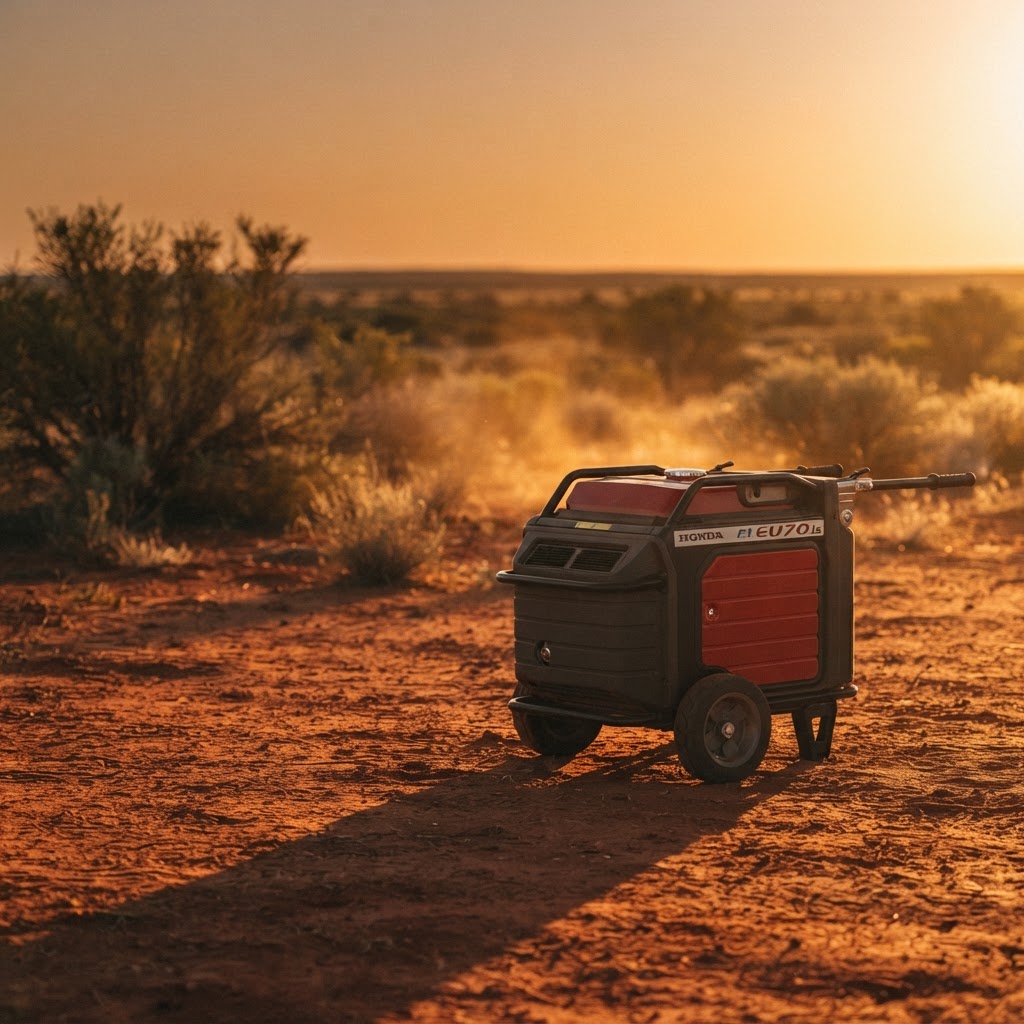
3. Inverter Generators
Inverter generators use an engine plus an inverter to produce clean, stable AC power. They can be petrol or diesel.
Pros: clean power safe for electronics, quiet, fuel-efficient (engine speed adjusts to load), lightweight. Cons: highest cost per kVA, limited to smaller sizes.
Best for: camping, caravanning, events, home electronics, anywhere noise and power quality matter.
Examples:
Head-to-Head
| | Diesel | Petrol | Inverter | | --- | --- | --- | --- | | Fuel economy | Best | Mid | Good (adjusts) | | Noise | Loudest | Loud | Quietest | | Engine life | Longest | Shortest | Long (low load) | | Power quality | Good | Good | Excellent (clean) | | Upfront cost | Mid | Lowest | Highest | | Best for | Standby, heavy use | Occasional, budget | Electronics, camping |
How to Choose
- Running often or for standby -> diesel
- Camping, caravan, electronics -> inverter
- Occasional use on a budget -> petrol
- Not sure -> use our size calculator then get a quote
Browse all generators for sale to compare models side by side.
Frequently Asked Questions
Common Questions
Shop generators for sale
Browse our full range of diesel and petrol generators for sale, with delivery across Melbourne and Victoria.
Browse the storeWritten by
Hanson Hire
Melbourne's trusted generator hire, sales and complete power services. ABN 56 684 753 875.
Learn more about usNeed a generator for your site?
Get an instant quote or talk to our team about your power requirements.
Related Articles
More in Buying Guides
Best Generators for Home Backup in 2026
The best generators for home backup in 2026, from portable inverter units for essentials to automatic standby generators with ATS for whole-home protection.
Hire vs Buy a Generator: Which Makes Financial Sense?
Hire for one-off jobs and flexibility; buy for regular use and standby backup. Here's how to work out the break-even point and choose the right option.
Inverter vs Conventional Generators: What's the Difference?
Inverter generators produce clean, quiet power safe for electronics; conventional generators are cheaper and handle heavy loads. Here's how to choose.