Inverter vs Conventional Generators: What's the Difference?
Inverter generators produce clean, quiet power safe for electronics; conventional generators are cheaper and handle heavy loads. Here's how to choose.
By Hanson Hire
Quick Answer
Inverter generators produce clean, quiet power safe for sensitive electronics like laptops and sound gear, and use less fuel. Conventional generators are cheaper, louder and better for heavy tools and construction loads. Choose inverter for events and electronics, conventional for construction and heavy-duty use.
Inverter vs Conventional Generators: What's the Difference?
Inverter and conventional generators both produce electricity, but they do it very differently — and that difference matters for sensitive electronics, noise levels and fuel efficiency.
Quick Comparison
| Factor | Inverter | Conventional | | --- | --- | --- | | Power quality | Clean sine wave (<3% THD) | Raw power (higher THD) | | Safe for electronics | Yes — laptops, phones, AV gear | No — can damage sensitive gear | | Noise level | 50-60dB (quiet) | 65-80dB (loud) | | Fuel efficiency | Excellent (engine speed varies) | Lower (constant engine speed) | | Weight | Lighter | Heavier | | Parallel capability | Yes — link two units | No | | Price | Higher | Lower | | Best for | Events, camping, AV, home backup | Construction, heavy tools, pumps |
What Is an Inverter Generator?
An inverter generator produces DC power from the engine, then uses an electronic inverter to convert it to clean AC power. This three-step process (AC to DC to AC) produces a stable sine wave with less than 3% total harmonic distortion (THD) — safe for sensitive electronics.
The inverter also lets the engine speed vary with the load, so it runs slower and quieter when demand is low, saving fuel.
What Is a Conventional Generator?
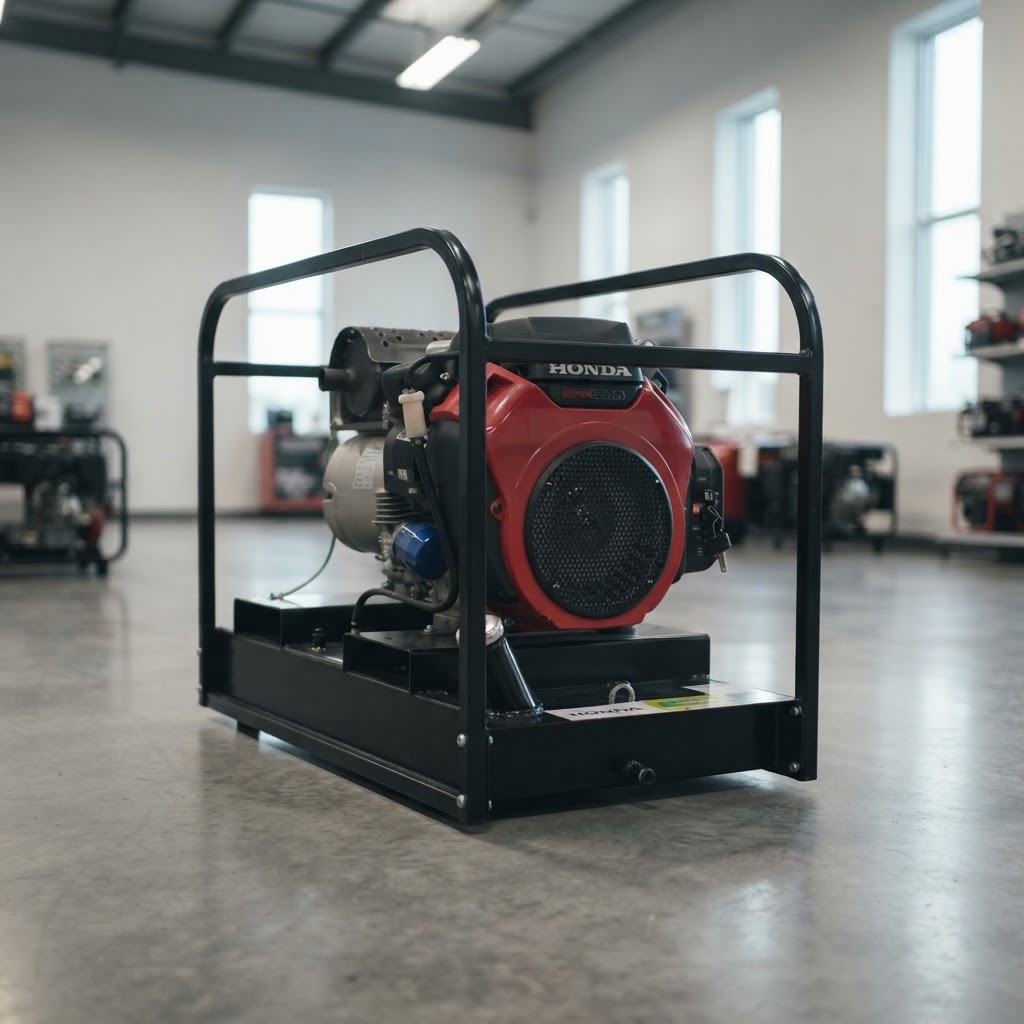
A conventional generator runs the engine at a constant speed (usually 3,000 or 1,500 RPM) to produce AC power directly from the alternator. This raw power has higher harmonic distortion and voltage fluctuation, which can damage sensitive electronics.
Because the engine runs at constant speed regardless of load, conventional generators are louder and use more fuel — but they're simpler, cheaper and handle heavy sustained loads well.
When to Choose an Inverter
- You're powering sensitive electronics — laptops, phones, cameras, sound gear
- You need quiet operation — events, camping, residential areas
- You want fuel efficiency for longer run times
- You need portability — inverter units are lighter
- You want to parallel two units for more power
See our inverter generators for events and film and TV production.
When to Choose Conventional
- You're powering heavy tools, pumps or motors that don't need clean power
- You need maximum output at lowest cost
- You're on a construction site where noise isn't a concern
- You need sustained heavy loads that inverters can't handle
See our construction generators and portable diesel range.
Can You Run Electronics on a Conventional Generator?
You can, but it's risky. The voltage fluctuation and harmonic distortion can shorten the life of or immediately damage sensitive electronics. If you must, use a surge protector or voltage regulator — but for anything valuable, an inverter is the safe choice.
Our Recommendation
For events, camping, AV gear and home electronics, choose an inverter. For construction, heavy tools and budget-conscious heavy-duty use, choose a conventional generator. Not sure? Get a quote and we'll recommend the right type for your load.
Frequently Asked Questions
Common Questions
Shop generators for sale
Browse our full range of diesel and petrol generators for sale, with delivery across Melbourne and Victoria.
Browse the storeWritten by
Hanson Hire
Melbourne's trusted generator hire, sales and complete power services. ABN 56 684 753 875.
Learn more about usNeed a generator for your site?
Get an instant quote or talk to our team about your power requirements.
Related Articles
More in Buying Guides
Hire vs Buy a Generator: Which Makes Financial Sense?
Hire for one-off jobs and flexibility; buy for regular use and standby backup. Here's how to work out the break-even point and choose the right option.
Best Generators for Home Backup in 2026
The best generators for home backup in 2026, from portable inverter units for essentials to automatic standby generators with ATS for whole-home protection.
Diesel vs Petrol Generators: Which Should You Choose?
Diesel generators last longer and use less fuel; petrol generators are lighter, quieter and cheaper upfront. Here's how to choose the right fuel type for your application.